Does opening many credit cards hurt your score? Factors and the edges
More cards do not automatically hurt a score. Payment history and utilization weigh more. Paid on time and kept under control, extra cards often help. Average a
What this is
Americans hold about three or four credit cards on average. About half of them roll a balance and pay interest. Against that backdrop, many people treat “more cards” as “a worse score.”
Points players often hold a lot of cards at once and live on welcome bonuses and category spend. The real question is whether that pile wrecks the score.
Split the usual FICO-style factors and more cards are not an automatic hit. Payment history and utilization weigh more. Open cleanly and spend with some restraint, and extra cards can even help. Hard pulls and average age add pressure, with less weight, and you can buffer them with slower apps and old accounts you keep.
This piece maps the factors, the usual direction of travel, and the edges outside the score. 5/24, a mortgage window, annual fees. Model versions and bureau pages move. Your own reports and the lender’s rules win.

Before you start
- The premise is full, on-time payments. You are not living on revolving interest. Interest usually eats more than the points are worth.
- There are several models (FICO, VantageScore, and others). Weights and screens differ. Figures below are common industry ranges, not a single official table.
- Most business cards do not hit the personal report (Capital One is an exception on some products). The path is not the same as a personal card.
- This is a public explainer, not card, lending, or credit advice.
Steps
1. Start with the two heavy weights, payment history and utilization
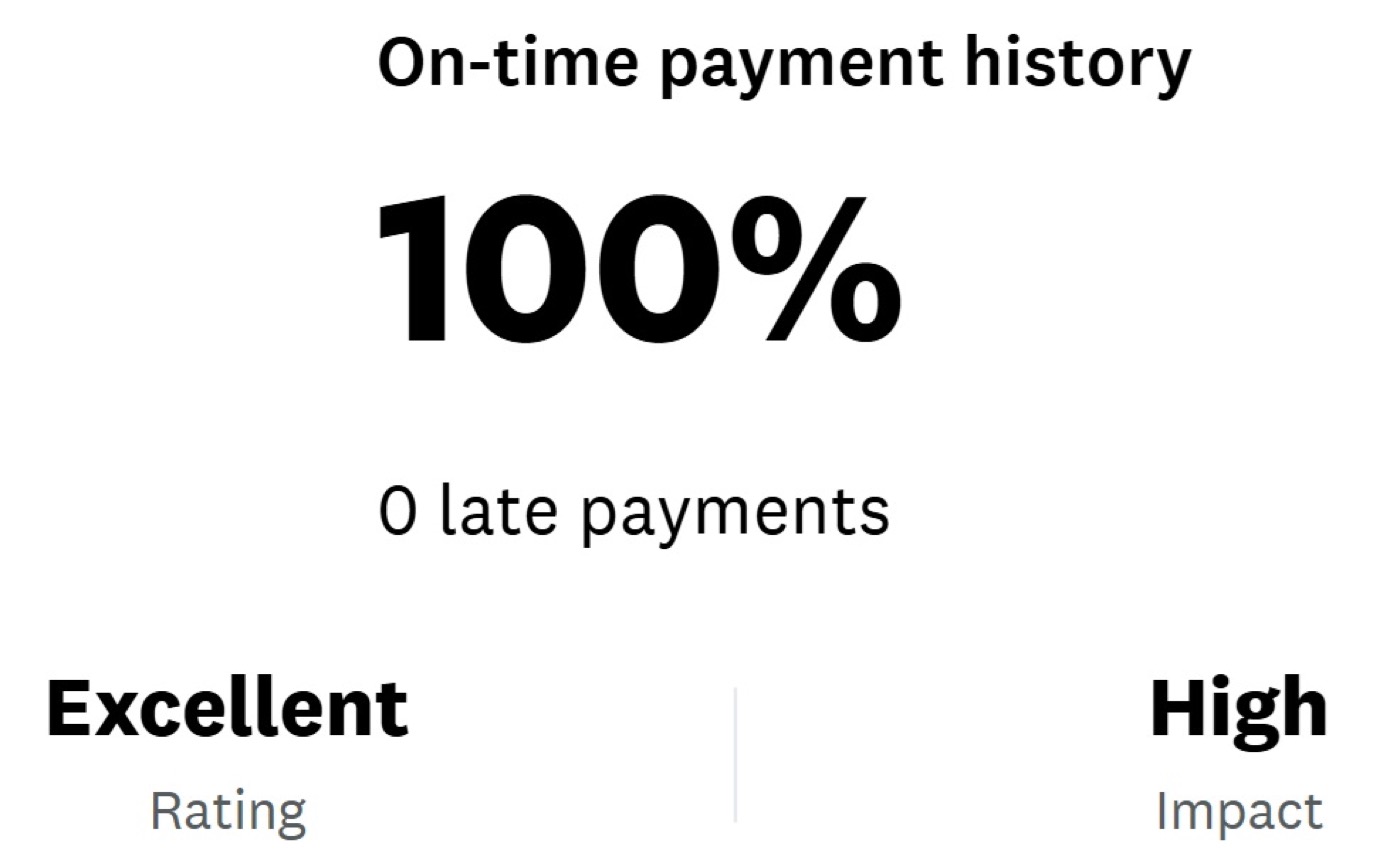
Payment history is often about a third of the score, sometimes more. Several cards paid on time, with no late marks, all feed that block. One late card can pull the whole block down.
Utilization is also often close to a third. It looks at how much of the limit you used at the statement cut, per card and across all cards.
A common example. A $10,000 limit, $2,500 statement balance. That card is at 25%.
Public discussion often aims under 30%, with a nicer band around 3% to 10%. Some people think a true 0% looks colder than a little use, because a lender wants to see you use credit without leaning on it. There is no single official sweet spot. Treat it as “do not spike it, and do not leave the card dead.”
Two easy mistakes.
First, utilization is the statement-date balance, not how much you spent that month. A $10,000 card that spent $9,000 can still show about $300 if you prepaid $8,700 before the cut, about 3%. If you are chasing a large minimum spend and do not want utilization to blow up, split the spend across cards, or prepay part of it before the statement.
Second, one maxed card usually looks worse than the same total spread evenly. Ten cards at $10,000 each, $1,000 on every statement, is 10% overall. Nine cards at zero and one at $10,000 is also 10%. The second picture is usually worse.
2. New cards pull average age down, with less weight
Average age of accounts is roughly 12% to 15%. Older is better. Each new card tugs the average down. A burst of new cards shows more.
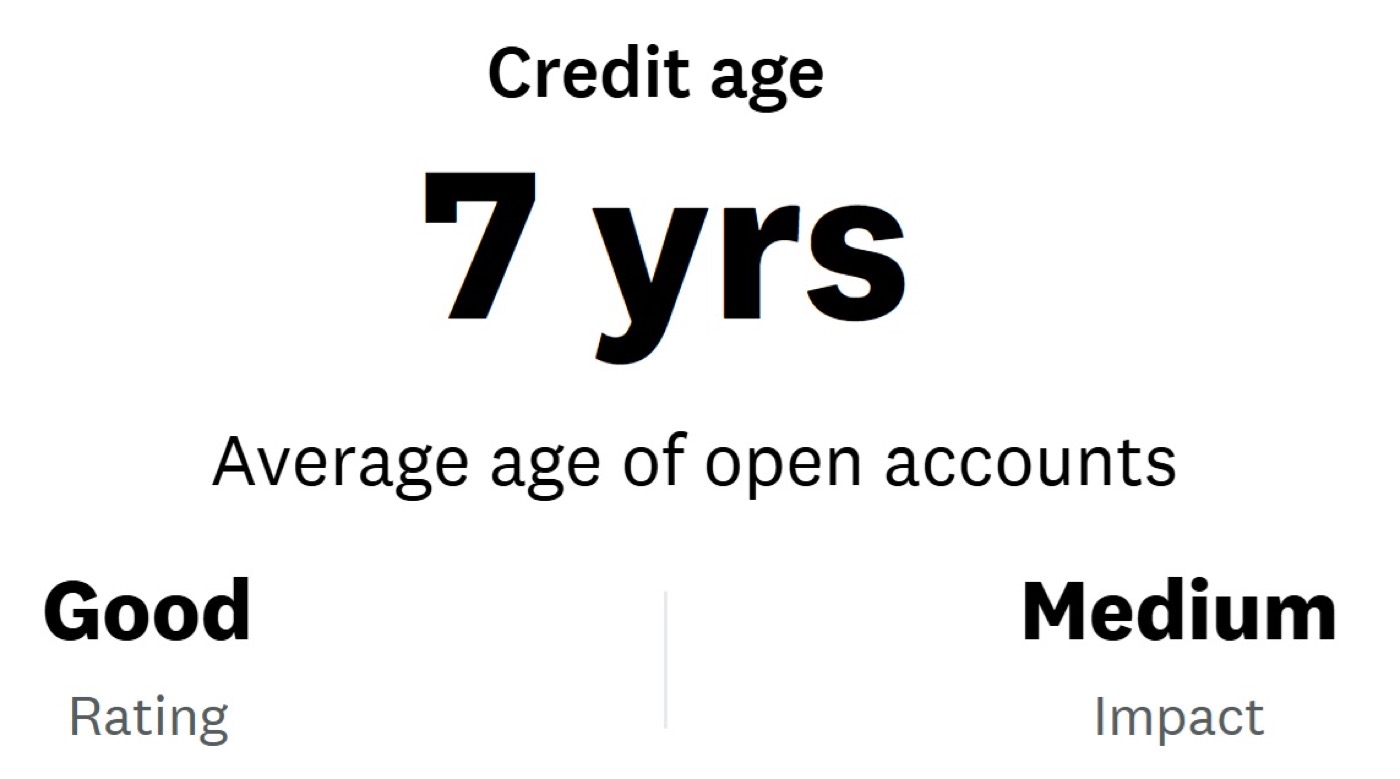
The weight is still well below payment history and utilization.
Closing a card usually does not wipe the age contribution overnight. Closed accounts often stay on the report about ten years, and that open date can still feed average age. What drops right away is total credit, so utilization can jump. Keep a no-annual-fee card if you can. A sock drawer card. Use it every 6 to 12 months so the issuer does not close it for inactivity.
If the card has an annual fee you do not want, look at a product change to a no-fee or cheaper product first. Many paths keep the original open date. Whether a change is allowed, and whether it touches a welcome bonus, follows the issuer.
3. Mix of credit and hard pulls
Mix of credit (cards, mortgage, auto, student loans) is about 10%. After you already have a few cards, more of the same type rarely helps much, and “more cards” alone rarely wrecks this block.
Hard inquiries are the place where applying a lot actually hurts. Most issuers hard-pull a new card (existing Amex customers applying for another Amex often skip a new hard pull, and that rule moves by person and by year).
A single new app often moves the score about 3 to 10 points for a short stretch. It usually recovers in weeks to months. The inquiry itself can sit on the report a year or two. A cluster of apps stacks those small dips. If you are not chasing a timed bonus, space the apps. The score and later approvals both breathe easier.
4. Put it together. Hurt, or help?
| Factor | Weight feel | Usual direction with more cards | |------|------------|------------------| | Payment history | Top tier | Many cards paid on time often help | | Utilization | Top tier | More total limit, statement balances kept down, often help | | Average age | About a tenth-plus | New cards pull it down, less weight | | Mix of credit | About a tenth | More of the same type helps little | | Hard pulls | Limited, short | More apps add pressure, often recover |
The two heavy blocks, if you pay in full and do not overuse the limits, make extra cards a plus. The lighter two are the price of applying in a burst. People who chase points and still run the bills on time often keep strong scores for years. Public comments include people with dozens of cards and FICO scores around 840 at all three bureaus. That is an example, not a promise.
5. Most business cards stay off the personal report
Most issuers do not report business cards to the personal bureaus. Capital One is an exception on some products. Off-report cards usually do not lift or drag personal payment history or utilization, and they do not pull personal average age. Welcome bonuses and earn rates can still be good. Do not count on them to “build” a personal score.
6. Outside the score, 5/24 and each bank’s appetite
Chase 5/24 is well known. If your personal report shows 5 or more new cards in 24 months (including most other-bank personal cards), most Chase cards (including many business cards) will not approve. Once you are under 5/24, a newly approved Chase business card usually does not count toward 5/24.
A high score does not save a 5/24 deny. An 800 still hangs.
Banks like Bank of America have their own recent-app density habits. Common talk is that a busy last 12 months is harder, and a deposit relationship sometimes loosens it. Approvals that day win.
Even with no written “x cards in y months,” a pile of new accounts and hard pulls can tighten approvals. Pause personal apps and let the new accounts and inquiries fade.
7. Slow down before a mortgage
Even if more cards are neutral or helpful over years, many people stop new apps in the two or three months before closing. A small hard-pull dip can move the quoted rate. A mortgage runs for decades. A few basis points can cost thousands or tens of thousands. Stack that against a welcome bonus before you apply.
8. Annual fees stack. Do not only count the bonus
A run of annual-fee cards makes year two loud. One premium card can be $795+, plus several mid-tier cards, and you are in four figures.
Keep a stack only if the perks and points you will actually use beat the fee. Price the part you will use. Do not add every coupon at face value. Cards you will not keep can go through a product change, a retention offer, or a close. The site has a separate first-year close checklist.
Carddoger take
Whether more cards hurt the score depends on how you pay, how you use the limits, and how fast you apply. The count itself is not the lever.
Payment history and utilization weigh more. Pay in full on time and keep statement-date balances down, and extra cards often help. Average age and hard pulls add pressure, with less weight. Keep old accounts and space apps.
Outside the score, watch 5/24, each bank’s appetite, a mortgage window, and the annual-fee bill. Business cards and personal cards are not the same path.
Treat the score as a dashboard for whether you can keep playing, not as the brake or the gas. If the dashboard is green, decide the next card from minimum spend and the fee you can live with. The live bureau reports, the model version, and the issuer or lender rules that day win. This is a public explainer, not card, lending, or credit advice.