Earn Flying Blue status with the US Air France KLM card. Silver, Gold, Platinum XP
Bank of America’s Air France KLM Visa Signature has about an $89 annual fee and no foreign-transaction fee. Public notes put the welcome at about 70k miles plus
What this is
Some people hold a United cobrand for bags and boarding. The Air France KLM US card runs the other way. It barely gives those onboard cobrand perks. What it does is feed Flying Blue XP (Experience Points) toward SkyTeam status.
Below is a public map of Silver, Gold, and Platinum gates and how XP lands, from Bank of America card pages and Flying Blue rules. Numbers move. Check the Bank of America application and your Flying Blue account before you apply.
Before you start
What the card is
- Issuer is Bank of America
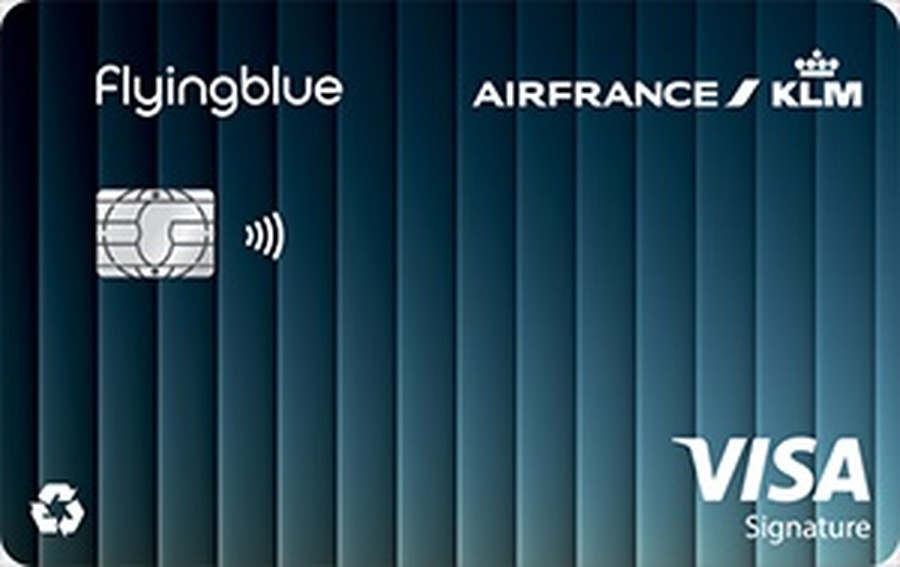
- Product is Air France KLM Visa Signature Credit Card (US version)
- Public annual fee is about $89, not waived year one (Rates & Fees win)
- No foreign-transaction fee (No FTF)
- Earn notes often read about 3x on Air France / KLM / SkyTeam spend, about 3x on dining, about 1.5x on the rest
- Miles often stay alive with about one purchase every 2 years if the account is active. Fine print sits on the issuer and program pages
Public welcome is about 70,000 miles plus 100 XP, often after about $3,000 in about 90 days. Some people see a $100 statement credit plus a lower mile tier in a simulated booking flow. Open the live application. Do not lock a community screenshot.
Who it fits
- You fly Delta or Air France / KLM now and then, and you want status for bags, preferred seats, or international Sky Club language (Gold and Platinum have extra Delta limits)
- You will put annual spend toward XP, not only flown segments
- You can live with almost no onboard cobrand perks. The value sits in the welcome and the status math
It is a poor stand-in for a high-earn transit or dining daily driver. Earn is mid-plus. The distinctive piece is the XP structure.
How XP and status work
Flying Blue status runs on XP, not a fixed calendar year.
| Level | XP to reach / keep (public notes) | |------|---------------------------| | Silver | 100 XP | | Gold | 180 XP | | Platinum | 300 XP | | Ultimate | 900 UXP (needs Air France or KLM operated flying. The card cannot earn this. Not covered here) |
Easy traps.
- You cannot jump from Explorer (no status) to Gold or Platinum with 180 or 300 XP. You take Silver first, then earn the next level inside the rolling window.
- The window starts the last time you hit a level and runs 12 months. At the end it subtracts that level’s XP. Extra can stay.
- Rollover has a cap. Public notes put it around 300 XP.
- Soft landing drops you at most one level a year. Platinum with 0 XP that year becomes Gold. It does not dump you to no status.
Paid tickets are the main XP path. Air France / KLM and many partners (Delta matters for US readers) award XP by cabin and distance. The chart below is a paid-ticket XP sketch. Partner rules and cabin maps follow Flying Blue that season.
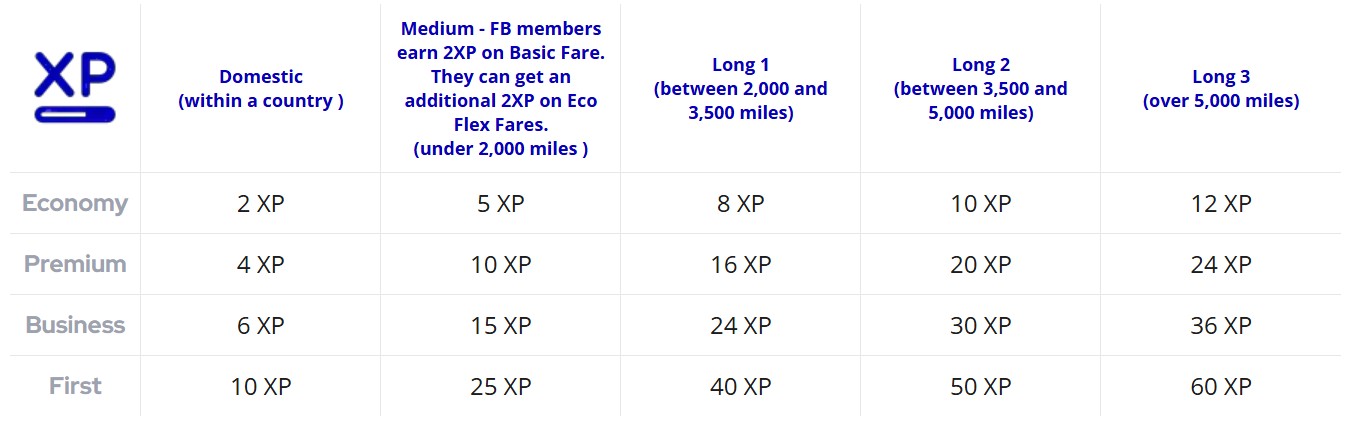
Delta cabins roughly map like this (posting on the account still wins).
- Delta Main Basic / Main / Comfort sit in the economy band
- Delta Premium Select sits in Premium
- Delta First / Delta One sit in business
Other public XP sources include donating miles to charity (about 2,000 miles per 1 XP) and buying SAF at ticket time. Third-party sites such as SkyStatus collect more methods. Match them to current Flying Blue rules. Do not copy an expired trick.
Steps
1. Pick the target level
Decide the level you want, and which airline you will use it on.
Silver is enough for a lot of occasional Delta flyers. Public notes treat Silver as SkyTeam Elite. On Delta that often means a free bag and preferred seats (Delta and SkyTeam that day win).
Gold and Platinum map to SkyTeam Elite Plus. Gold and up on Delta often show a better boarding zone and Sky Club language on certain international itineraries (usually a same-day international SkyTeam segment, or a domestic connector to one, with tight guest rules). Platinum on Air France / KLM also shows up in cheaper award access, free award changes, and limited La Première language. That matters more if you change tickets and hunt inventory.
Aim too high and the card’s XP will not cover it. Aim too low and the welcome 100 XP gets used differently.
2. Check the live application offer
Open Bank of America or the airline card page and check these items one by one.
- Whether welcome miles are still about 70k
- Whether 100 XP is attached
- Spend and days (often about $3,000 / 90 days)
- Annual fee and any first-year waiver
- Personalized variants (statement credit, other mile tiers)
Card-page notes have also mentioned about 5,000 miles after about $50 of anniversary spend, which can offset some of the fee. Account benefits that day win.
3. Open the card and hit the welcome (Silver is the clean path)
If Silver is the only target, do this.
- Apply and get approved.
- Hit the minimum spend in the window and take the welcome 100 XP.
- The account moves from no status to Silver. The system spends those 100 XP to grant Silver.
To keep Silver later, a simple public read is about $15,000 of spend in the card anniversary year. Anniversary XP is about 100 (about 20 fixed plus about 80 at the spend tier), enough to renew Silver.
One line. Public notes for taking and keeping Silver are the welcome once, then about $15k a year.
4. How much XP the card pays each year
Outside the welcome, each account anniversary roughly stacks like this (public notes).
- About 20 XP fixed (anniversary)
- About 80 more after about $15,000 of qualifying spend that anniversary year
- About 60 more after about $25,000
Anniversary side max is about 160 XP (20 plus 80 plus 60). The welcome 100 XP is usually once. Do not add it into a fake 260 every year.
What counts as a qualifying purchase, refund clawbacks, and whether spend sits inside the anniversary year, all follow the issuer’s posting.
5. For Gold, get temporary status first, then take the welcome 100 XP
Gold needs 180 XP. If you hit the welcome from no status, those 100 XP first buy Silver, and the next step is missing a stair.
A common sequence.
- Apply for the card, but do not finish the welcome spend yet.
- Use status match or a similar path to get a stretch of temporary status (for example temporary Gold). US-resident Flying Blue match rules move. Check the live match door separately.
- Then finish the welcome spend so the 100 XP lands on an account that already has status.
- Push anniversary-year spend to about $25,000 for about 160 anniversary XP. Stacked with the welcome 100, the rolling window can subtract 180 to keep Gold and leave some rollover.
Later years, if you still put about $25k through the card and roll leftover XP, some people keep Gold mostly on spend for a few years. The order matters. A match window that does not line up with the card anniversary will throw the math off.
6. For Platinum, the card is a base, not the whole pile
Platinum needs 300 XP. The card’s anniversary max is about 160. The card alone will not hold long-term Platinum.
A common first-year public stack.
- Start with temporary Gold (or equivalent) so the welcome 100 XP is not spent climbing from zero.
- Take the welcome 100 plus about 160 anniversary XP, about 260 total.
- Cover the remaining about 40 XP with flying, donated miles, SAF, or similar. Donated miles are roughly 2,000 miles per 1 XP, so 40 XP is about 80,000 miles. Price that yourself.
Hitting Platinum spends the 300 XP. Year two and later still need about 160 from the card plus about 140 from somewhere else. Long-term Platinum is a poor fit if you only want to swipe. It fits people who already fly Air France / KLM / Delta, or who will spend miles for XP.
7. Status cards and perks
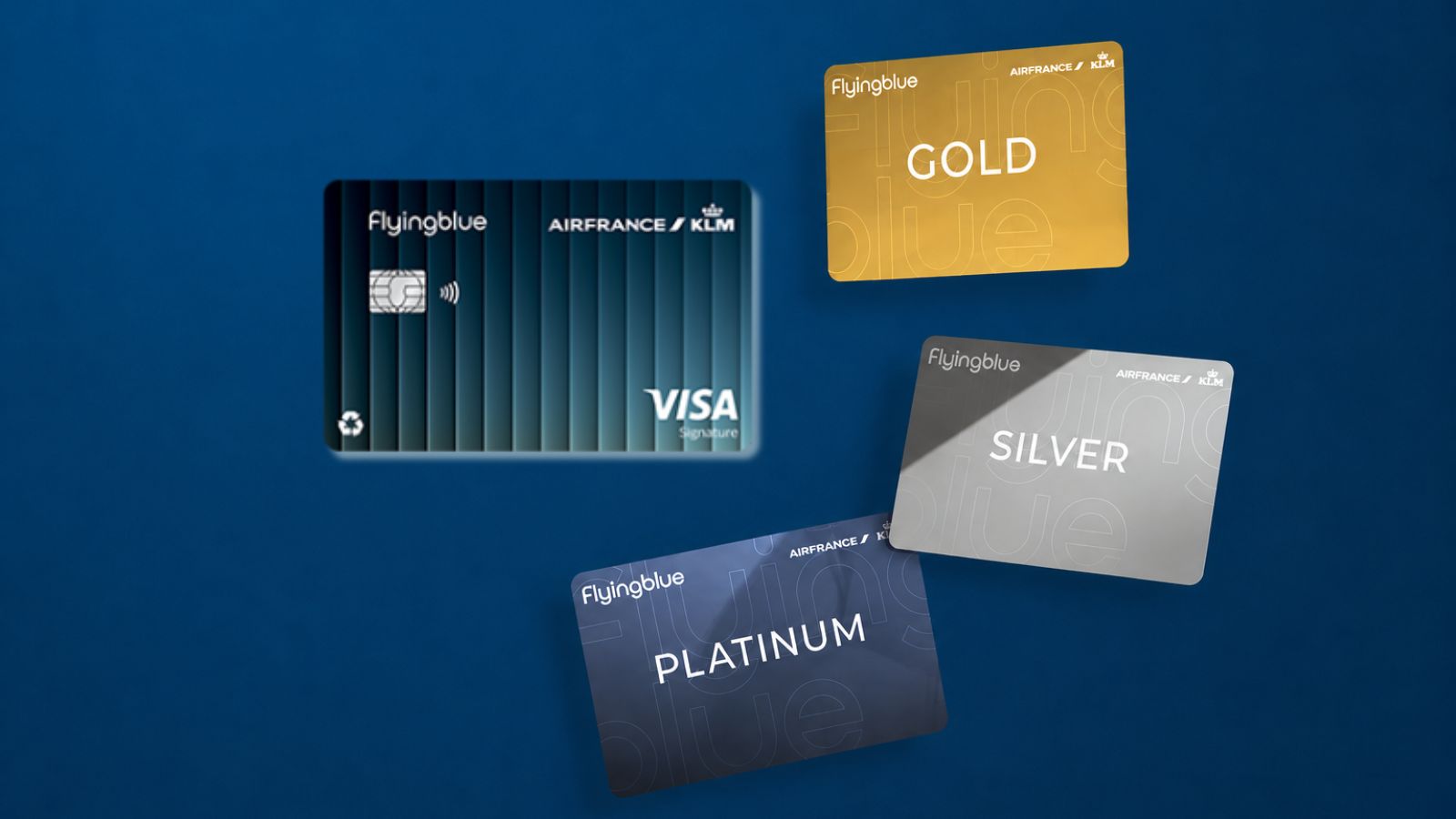
Flying Blue issues Silver / Gold / Platinum physical or digital status cards. Perks follow the account and the airline. The lines below are the ones that matter more to US readers.
Air France / KLM side.
- Paid-ticket bonus miles rise with the level
- Bags, lounges, and preferred-seat windows widen
- Platinum talk more often includes cheaper award access and free award changes
Delta side (put the Flying Blue number on the booking).
- Silver follows SkyTeam Elite language (bags, seats, and similar)
- Gold and Platinum follow SkyTeam Elite Plus. Sky Club is mostly same-day international SkyTeam scenes. Do not assume a domestic hop walks you in
8. A short checklist
- Screenshot the application offer and the end date.
- After approval, confirm the Flying Blue number is tied to the issuer account.
- Put welcome spend on charges that will post and will not refund, so you do not miss the window.
- If you match status, check whether match is still open, which level you get, and how long it lasts.
- Before each anniversary, check progress toward $15k or $25k of qualifying spend.
- After a status change, read XP and the next review date on Flying Blue. Do not only watch the issuer app.
Bank of America credit cards Flying Blue
Carddoger take
This BoA Air France KLM cobrand is cheap as premium cards go, and it has no foreign-transaction fee. Onboard cobrand perks are thin. What stands out is the welcome 100 XP and an anniversary path up to about 160 XP.
If you want a cheap SkyTeam Elite taste and you mostly fly Delta, Silver is the clean path. The welcome fills it once, then about $15k a year keeps it. Gold starts a timeline game. You often need temporary status before you take the welcome XP. Platinum is easy to overrate. The card covers only part of it. Long term you still fly or find other XP.
Earn itself is mid-plus, and several transferable currencies can move 1 to 1 into Flying Blue. If you do not care about status and only want miles, this may not be the best daily card. If the job is Flying Blue status math, it is one of the few US cards that writes XP into the benefits.
Bank of America’s application, Rates & Fees, account benefits, plus Flying Blue and airline rules that day, win. This is a public-notes piece, not card, status, or investment advice.